
By Swifo - November 21, 2025
Tips and trends | Inspirational
In a world driven by desires, everyone is competing for attention. One of the things that makes you stand out isn't just your skill but how you value yourself. That is, your price. We can all agree that one of the biggest challenges for freelancers isn’t finding clients but figuring out how much to charge without selling themselves short.
Pricing is about strategy, positioning and value. Setting your rates too low can make you feel overworked and undervalued. Setting them too high might make you struggle when closing deals.
To build a sustainable and profitable career, you need to start seeing yourself as a big deal seller. Let's break down how to set your freelance rates without underselling yourself.
Related: 7 Practical Tips to Balance Your 9–5 with Freelancing Without Burning Out
1. Understand Your Value.
A man who understands value is priceless. When you start valuing your craft, you stop begging for validation. People pay for what you do, how you make them feel and how you solve their problems.
You need to understand the value you bring to your clients. It is only then you will be appreciated for your work. Your rates should reflect your experience, expertise, time used in mastering your craft and results. All these give you rare credibility.
2. Do in-depth research.
Market research helps you understand your product, price, position and value in order to avoid underpricing or overpricing yourself. It is understanding where you fit in the value chain. With platforms like Upwork, Fiverr and Toptal, you get to understand what freelancers in your niche are charging. You can also join LinkedIn or Reddit communities for transparent discussions on how to charge.
When charging, you need to consider the following:
➡️ Your niche
➡️ Your experience level
➡️ Location
➡️ Type of client you want
3. Your Business Costs Are Important.
Freelancing is a business, not a hobby. It is a career that needs to be seen as a means of getting more income. Your rate should not only cover your time but also expenses like:
➡️ Taxes and transaction fees
➡️ Data and software subscriptions
➡️ Equipment maintenance
Your rates become more attractive and less complicated when you add these to your rates.
4. Choose a Pricing Model That Works For You.
We have different pricing models, but the common ones are:
🪙 Hourly Rate: Best for open-ended projects with changing scope or a specific time.
🪙 Project-Based Pricing: Ideal for clearly defined deliverables.
🪙 Retainer Model: Perfect for ongoing monthly work or projects.
🪙 Value-Based Pricing: Charge for the result you create, not the time you spend.
There's no pricing model that works for all. Just pick one that works best for your workflow.
5. Stop Comparing Your Rates.
Comparison steals value and confidence. Your rates should be unique. It should reflect on your unique experience and results, not someone else’s journey. It’s easy to look at other freelancers and think you’re charging too high or too low. You can't compare a seasoned freelancer with 7 years of experience to a beginner. Compete on value instead of prices.
6. Be Loud About Your Value.
When a client questions your rate, don’t rush to lower it. Communicate your value with confidence. Let them know what's included in your rates, why they need it and why it's worth it. By explaining the benefits and results, you shift their focus from price to value.
7. Regularly Review and Increase Your Rates.
Your pricing should evolve as you do. Review your pricing every 6 to 12 months once you notice any of this:
➡️ Improving your skills
➡️ Increase client demand
➡️ Added new services or got new tools
Once you notice any of these, raise your rates by 10 - 20% because they can make a big difference. The clients who value your work will stay.
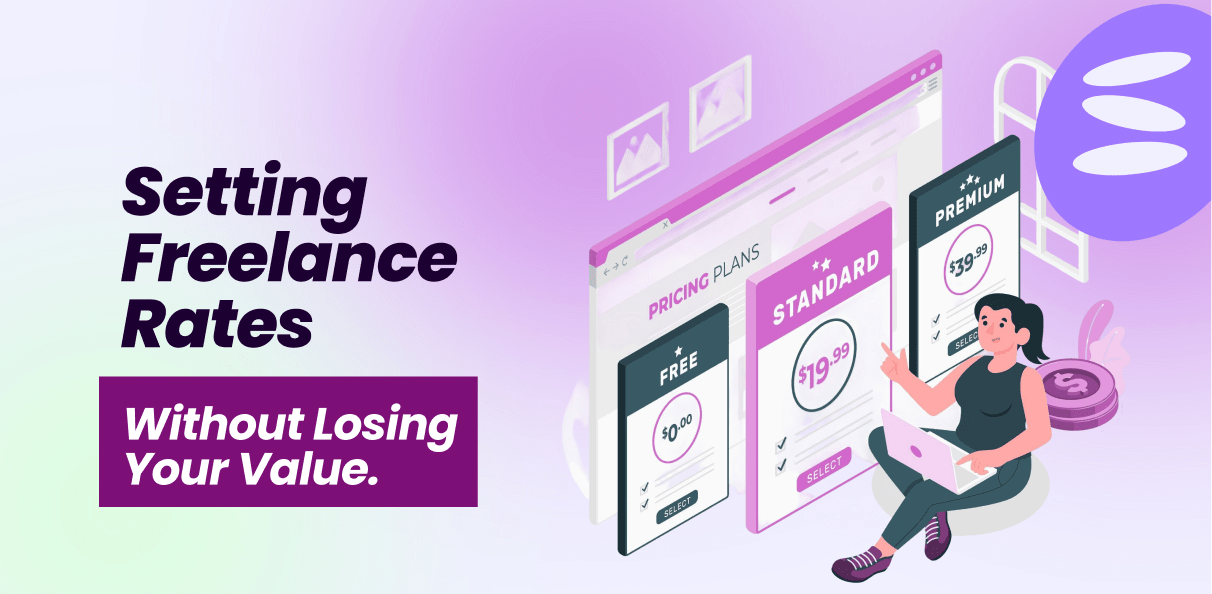
You can also create a rate card or pricing document to make it easier for prospective clients to get access to your services, packages and what they include. This will help you filter low-budget clients and build trust.
Freelance price strategy is about knowing your worth, owning your value and charging with confidence. When you understand your onions and present your work professionally with the value you bring, you will attract the right clients who respect and appreciate your skill and price.